Shook-up world: What is the value of wilderness?

Like so many people, I am dazed by the events of this week. On Tuesday night I went to bed in tears, shocked and frightened by the outcome of the election. Trump’s campaign always felt like a prank to me, and now it feels like a prank that got out of control and set fire to the house with all of us trapped inside.

My fear stems from the following:

  • We have just sent a message to every secretly bigoted and misogynistic creep on earth that we, as a nation, condone abusive behavior and expressions of prejudice. This, more than anything else, frightens me.
  • I heard yesterday that Mr. Trump has expressed an interest in allying with Russia in Syria. Although I thought I remembered hearing that Russia was no longer backing Assad, I couldn’t find anything in a short online search to confirm that recollection. It is horrifying to think that our country might lend support to a criminal head-of-state who has used chemical weapons against his own people.
  • We have empowered a science-denier to make policy decisions that will have an irreversible impact on the environment.
  • Mr. Trump will have the opportunity to appoint as many as three supreme court justices.
  • Mr Trump will appoint a cabinet. I keep hearing rumors of a Secretary of the Interior with oil interests (Forrest Lucas, Sarah Palin) and an Energy Secretary with financial interests in fracking and in the Dakota Access Pipeline (Harold Hamm). I’m trembling here at the hem of ANWR.
    I understand that our Department of the Interior is responsible for managing federal lands in the best interest of the American people, for industry and recreation as well as conservation, but I am not convinced that the economic and political benefits of developing oil and natural gas are always worth the price we pay.I have not been persuaded that the potential benefits of developing mineral resources in ANWR outweigh the potential cultural and environmental costs. I know that this state runs on oil money and that my job and many, many others depend either directly on the oil industry or on the state budget. I know that it has never been demonstrated that the Porcupine caribou herd would be disrupted by development in the 1002 area. I know that the pipeline needs to maintain a minimum pressure or be permanently dismantled, and that with Prudhoe Bay producing less than in previous years, we need a new source for oil if we want to keep it open. I know that Alaska Senator Lisa Murkowski has vowed to open the 1002 area in ANWR for drilling, and there will never be a better opportunity.  I expect the onslaught to be immediate and forceful, and I know that my students and their families are not prepared for it.

I’m trying to channel my anxiety into action. I’m reading endless articles and teaching my class with a renewed passion for civics. I am trying to cultivate a diversity of nuanced opinions among my students, who are usually, to their detriment, of one mind. I told the kids today, as I have been telling them for months, to bring me their voter cards when they turn eighteen and I’ll bake them each a cake to celebrate their power. I want the kids to know how the government works and how to influence it. I want to spend the next four years building up to a huge celebration of the centennial of women’s suffrage. I want to get my students informed about Standing Rock and the Dakota Access Pipeline and in contact with native kids, like them, whose environment and heritage may be threatened by oil development. I also want them to understand – really understand – the perspectives of people who don’t share their views, including those who wish to develop oil resources. I have never been so motivated to get my students writing clear, cogent, persuasive essays. We have such a long way to go, though. They are miles behind and not catching up quick.

But, after all, why bother with all of that? What is the value of wilderness?
dsc05351

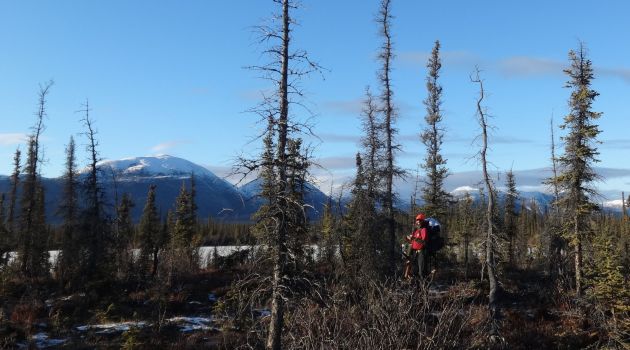
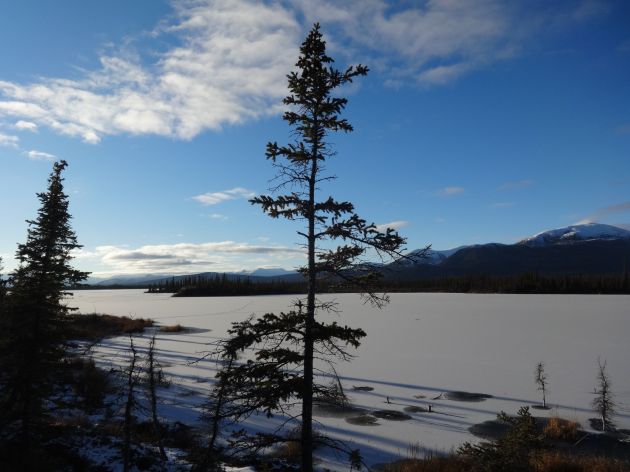
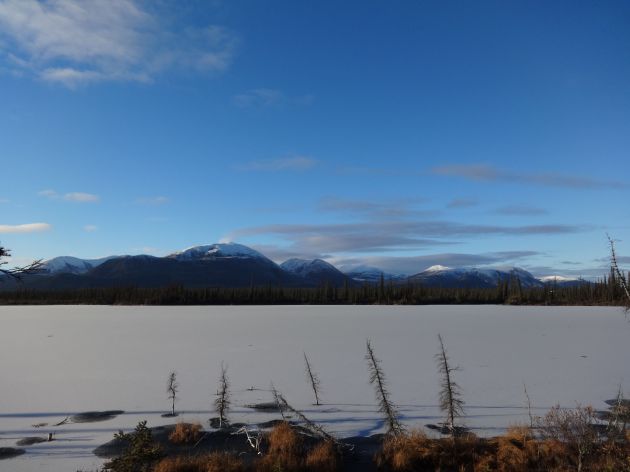
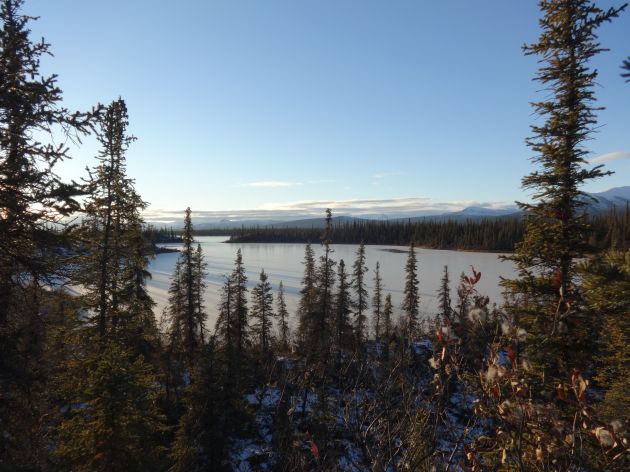
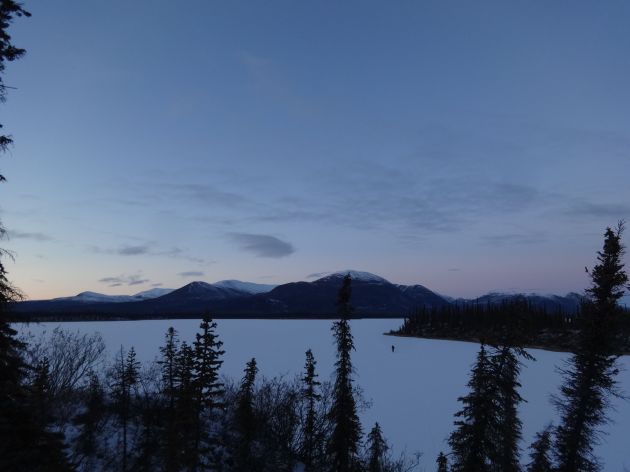
Wilderness is valuable for its power to make us feel small. We spend so much time in human-built environments, perfectly made to our scale, that we forget how we diminish in the presence of  mountains and tundra, how we disappear in the course of rivers that churn with mud and power. When I am out there, I am no greater than one of seven-billion ice-crystals lying under an unknowably deep and vast sky.

It is valuable for its beauty, if you believe that beauty has value.

It is valuable for subsistence and cultural diversity, if you believe that subsistence and cultural diversity have value.

It is empowering.
How does it feel to stand in a silent, snow-filled valley, hundreds of miles from anywhere?
It feels like hugging the sun.

It is valuable for its complexity. As Carl Sagan reminds us, “The beauty of a living thing is not the atoms that go into it, but the way those atoms are put together” (thank you, Symphony of Science). We have so much yet to learn from the systems that interconnect in wild places. It is not enough to take pictures and samples to fossilize in a lab somewhere: the complexity of nature demands space, time and variables that cannot be simulated or artificially preserved. By eliminating wilderness, we preclude the full expression of these complex systems and curtail our studies and potential scientific knowledge.

The variation – the biodiversity – that powers the miracle of evolution also powers the miracles of medicine and technology: we look to biology and ecology for answers to our most difficult human challenges, and, without wilderness, those answers have no place to live.

And what about this wilderness? The Arctic National Wildlife Refuge? What is its value, specifically? I try to be pragmatic, and I think I am. I can see my way all the way around most political issues. I can see what people who want to develop the resources in the 1002 area see. Economic growth is important. Jobs are important. Energy independence is important. But vast, untouched and untouchable wilderness is inherently valuable for its power to command our respect and awe. Arctic beauty is important, more so as it dwindles. Culture and caribou are important. Unique biological and ecological processes and systems are important. And the only difference that really matters between these things and those things is that these things are available nowhere else in the world.

If by cultivating economic growth, jobs, and energy independence we compromise the biodiversity and cultural diversity of the planet, we pay too high a price.

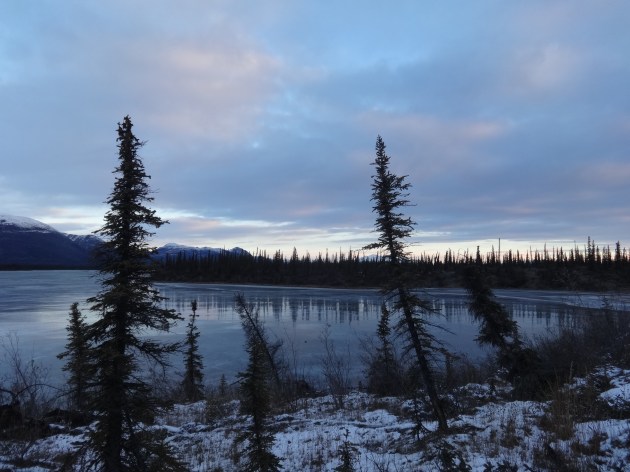
In other news, ahshii. It’s snowing.

At last.
Not that cuddly

dsc05284Now and then, one of my fourth graders holds out his arms for a hug. I have a third grader who rests her head against my arm when I lean over the desk to help with classwork. Those of you who know me well are probably chuckling. I’m not all that cuddly. I don’t bite or anything, I’m just stiff.
When a girl is crying in the bathroom, male teachers find the nearest lady and say “go talk to her.” It’s universal. They all do it.

I try. I go in and assess the situation. I watch her cry for a while, arms around her knees in a dark corner, or I listen to her sobs echoing off the porcelain in a locked bathroom stall. I try “what’s up?” and “can you tell me what happened?” but then, inevitably, I blurt out something like “can I get you a glass of water?” I’m terrible at this stuff.

That’s middle school, and I’ve accepted my awkwardness there. Now, though, for the first time since I became a teacher, I’m working with elementary students. They cry a lot.They get knocked down in gym and they cry. Their dads make them wear their snowpants so they cry. They get assigned seating and they cry. They get caught lying and they cry. I dole out hugs and band aids now. Once, I picked up a cool rock from outside for a girl to press against the hurt spot on her face. She looked so silly, holding that big rock to her eye, and she carried it with her for hours.

Working with younger students is a mystifying cocktail of sweetness and ickiness and fun and unsolicited intimacy. They talk about the hard things at home. They pick their noses. They hug. They spill. They sing along with stupid videos. They like to shout the answers. They have pockets full of little toys. They are sticky. They forgive quickly, and I’m grateful because this is a steep learning curve for me. I don’t know how much is too much to expect, so I expect too much. I don’t know how to fix bumps and scrapes and tears so I ignore them. I don’t know how to decide who gets to sit on the couch so I do the mean thing and say “nobody!” In spite of my growling and snapping and my ignorance and helplessness in the face of tears, they bounce in smiling every day. I’m baffled and delighted by their enthusiasm and their trust.

We have such a long way to go together this year. My elementary class (grades 3 through 7) started the year resistant to writing more than a few sentences. Now they look forward to the days when I post a painting on the smartboard and let them write about it. They love to write stories, but not a single one of them can use punctuation at all, and one of them still misspells his own name sometimes.

I want to teach them to write. For starters, I want them to write understandably. Later, I want them to write expressively. How can I teach them what a sentence is, though? Punctuation feels as natural to me as blinking. How can I teach them to spell? I don’t remember the right things to say, how the ‘e’ makes the ‘a’ say its name, how you need to change the ‘y’ to ‘i’ and add ‘es’. How can I teach the one kid to spell his name while I prepare the older girl to take her classes with the high school next year? I have no idea how to do this. It feels like I’m starting from scratch with these kids, and on the one hand, I’m thrilled to have the chance. On the other hand, I’m desperately intimidated. They’re so vulnerable, and I’m not that cuddly.

dsc05264

Not that cuddly (I’m wearing a life jacket and trailing a rope just in case the ice broke on the crossing, just in case you were wondering)


Ice britches

dsc05200

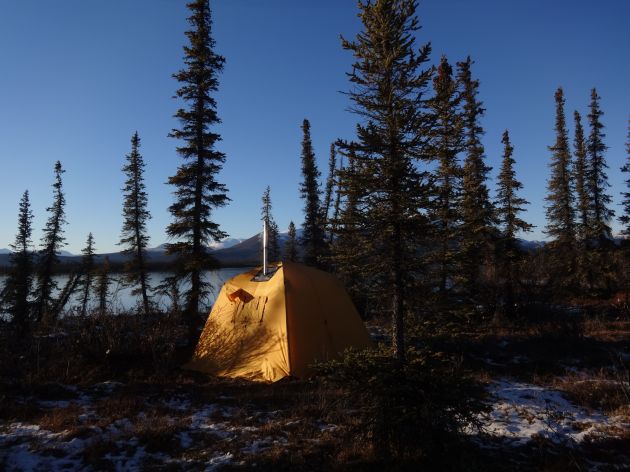
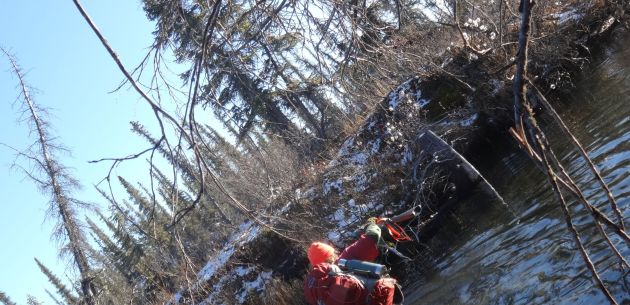
To get to camp this weekend, Geoff and I had to wade across an ice-cold, waist-deep slough.

It’s October, and things are in full swing at school. We’re short-staffed and holding it together by sheer willpower. This time of year is always like that.

dsc05201

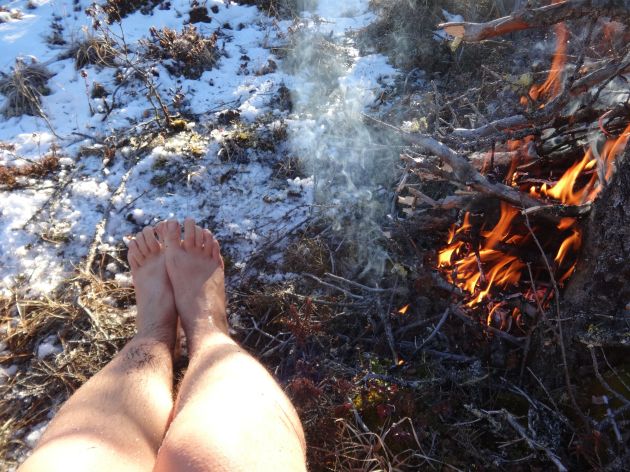
Whoever made the crossing first lit a fire on the other side to melt the ice from between our toes. On Saturday, Geoff did this while I whimpered on the other side, looking dubiously at the ice at the water’s edge. “You’re the one who likes to get outside,” he called from the other side, and I made it across on laughter. Yesterday, I went in first, eager to get it over with.

I missed my best friend’s 30th birthday party this weekend, and talk among college friends of a New England New Years has me a little homesick. When I have free time, I miss the company of these beloved people with whom I have so much in common.

dsc05202

We went by canoe last time and set up camp on the far shore of the lake.

I have learned to say “it’s snowing!” in Gwich’in, (ah-shee) though no significant snow (zaa) has stuck yet.

dsc05205

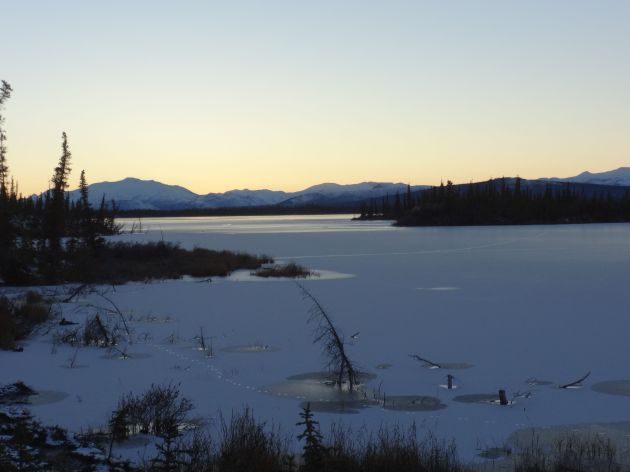
Now the lake is frozen too solid for boats and not solid enough for skis.

The kids in Arctic Village are sweet – maybe a little too sweet – it makes me wonder when the other shoe will drop. I have a really eccentric third grader who makes me laugh every single day.

dsc05207

We walked in, maybe three miles in all over trackless tundra, dodging ponds.

I do miss the kids I taught in Venetie. They were like family, and they had a great deal of personality. I got to see them for a few hours when I was on my way into Fairbanks for a dental emergency a few weeks back, and they’ve grown taller and stronger and so much more mature since I left them in May.

dsc05209

Geoff carried the chainsaw in, which was no picnic.

In Social Studies, the high school has been doing CNN Student News every day, as usual, and practicing for the National Geographic Bee. The upper elementary class has been learning countries like crazy, making giant leaps from the beginning of school when they didn’t know their continents and oceans yet. I’m surprised at how much I find myself enjoying the younger group. They are so earnest and fun-loving, I can’t keep myself from playing a little every time they’re in the room.

dsc05222

But when we arrived, late in the evening, the arctic oven was waiting patiently. Some varmint had gotten into our supplies and dumped out the gas, but I’d packed in plenty for one night, so we were still able to run the chainsaw.

In English, we’re focusing heavily on writing. I’m allowing the kids to turn in as many drafts as they want to, and they’re keeping me hopping with their constant requests for feedback. I have a separate reading class where they practice reading aloud, discussing, and analyzing their novels in written responses. The whole thing is going well. I’m trying to keep a writing sample from each student so that I can see their growth between now and the end of the year. I hope they grow. I think they will.

dsc05227

We built a fire outside to warm up, and then busted out the chainsaw to do wood for the tent.

Weekends, though, are the best. Nothing can compare to spending days out beyond the edges of the village, picking a way through the tussocks and noting the fresh prints of wolves, spending nights under the aurora listening to the fire wheeze and the lake ice ripple and buckle.

dsc05228

In the arctic oven, we shared a caribou dinner. When I went out to brush my teeth, the lake ice groaned and snapped with a sound like a jumprope whistling by my ear. Phtheewwwwwww! It was ghostly and strange, with the aurora in green scraps overhead.

Someday, I’d like to spend more time out there at this time of year. I want to note how thick the ice gets before the muskrats stop plowing through it. I want to listen to the ice and learn to tell time by its shifting. Two-day-weekends are just not adequate (see me using today’s vocabulary word?).

dsc05229

I woke up chilly in the night and started a fire in the cold stove, then went out to pee and chop more wood. I was ecstatic over that small handful of wood, frosty-barked in my bare arms as I crawled back into the tent.

dsc05230

I am not an arctic badass yet, but I’m getting closer every day, and wading through that slough again in the gathering dark last night earned me a merit badge for sure.

dsc05234

It was full dark by the time we returned to the village. This morning, the river was icing in swirls and whorls.

Bye for now, Summer

I’m in Arctic Village, this time for good. I flew in after inservice and Boots took the plane low to show his granddaughter, in the copilot’s seat, the herds of caribou up on the mountains. The plane dipped and bumped low over the trees and the other passengers turned green and pukey, but I was thrilled. The tundra was red and gold and the caribou were silver and galloping under a clear blue sky. What more could you want from a flight?

Everyone in the village was cutting meat all week or scrounging for gas to get up the mountain to hunt. It was science and traditional knowledge week at school, and the kids were cutting meat in the gym and working on a dogsled. Geoff opened the fridge in the school kitchen one afternoon and a whole bloody leg wrapped in garbage bags fell out. It was crazy.

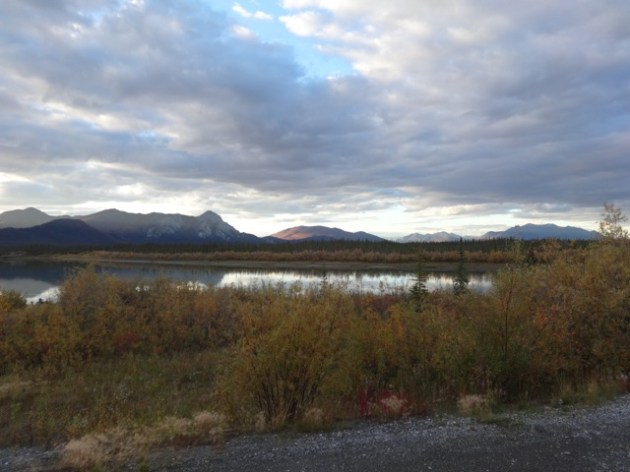
Here are some pictures from my back porch, overlooking the Chandalar:

DSC05134DSC05119

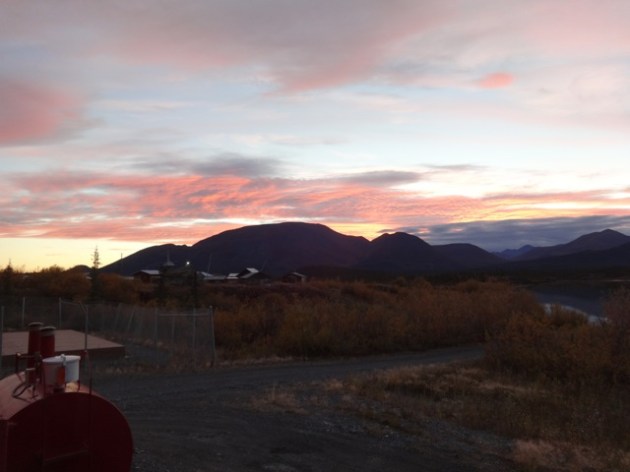
If I step out back at five in the morning, I can see every pond in the valley (there are a lot of them) breathing silver mist into the air before the black mountains and the red horizon.

The willows have all turned yellow and rumor has it there’s been frost in the wee hours. We’re turning the corner and I’m so glad – winter is my favorite season since I’ve found ways to get out in it. I’m running most evenings now, getting ready to start strong with skiing this winter. I want to set a rabbit snare along a short ski loop so that I can check it often, and I’ve persuaded someone to teach me how to do it.

Geoff has agreed to go with me to Venetie by snowmachine. I hope it happens. There’s a lot of work involved, but it would really be something to show up some weekend out of the blue and visit for a while.

This week has been hard. Starting something new here and imagining those kids in Venetie starting a new school year without me has been a constant ache behind my heart. I miss their personalities and their ease with me. I’ll get there with the kids here, but it will take time, and, meanwhile, I’ll miss my class of characters like crazy.

Inservice was a stupid as usual (cold to lukewarm showers, sales pitches from textbook companies instead of professional learning, no collaboration time except bits and pieces at the end of the day), but some good things happened: Terri’s Aunt Bernice came and did a poetry workshop, which was fun; Student News is going strong in its second year, with more folks than ever participating; the union meeting felt productive and energetic, which made a nice change; and the math teachers met and agreed on a resolution to offer a two-year Algebra 1 option, which will reflect the kids’ learning more accurately on their transcripts. Barring sabotage by administrators with control issues, this will mark a good change for kids.

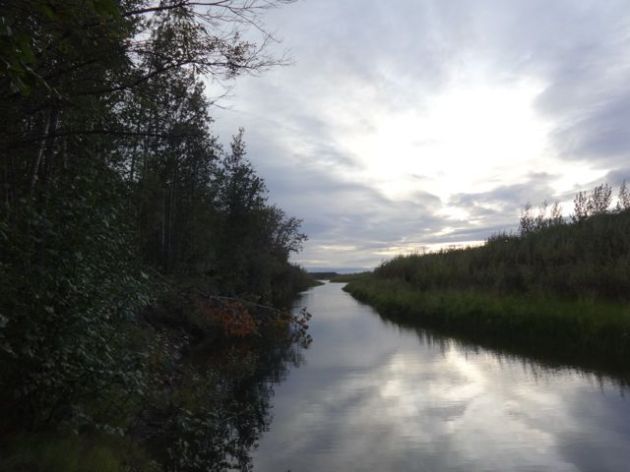
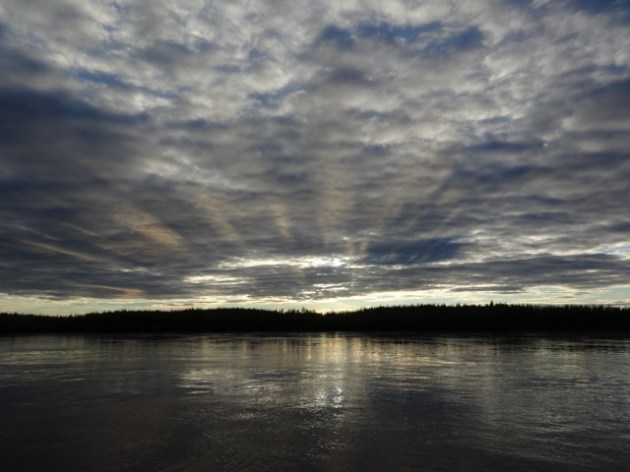
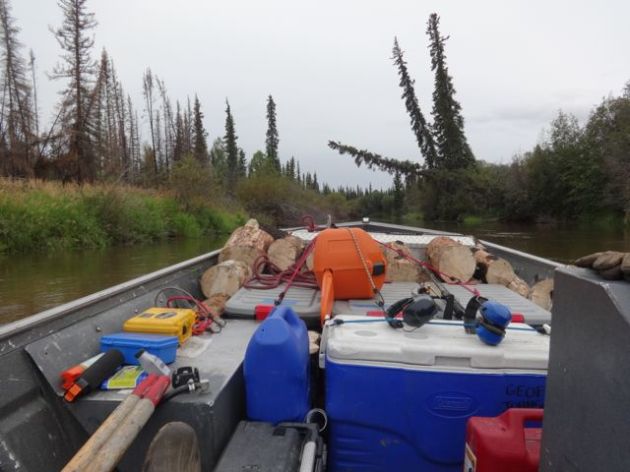
Geoff and I ran his boat up from Circle and camped on the Yukon for the week. We spent some time exploring the route to the Chandalar and some of the rivers that feed the big one just south of Fort Yukon. I’d write more, but there are things to do. It’s the last long weekend before Thanksgiving, and the mountains are calling. Here’s the photodump with illumination by caption:

DSC05023

Packing in Fairbanks, prior to the great canoe heartbreak of 2016

DSC05028

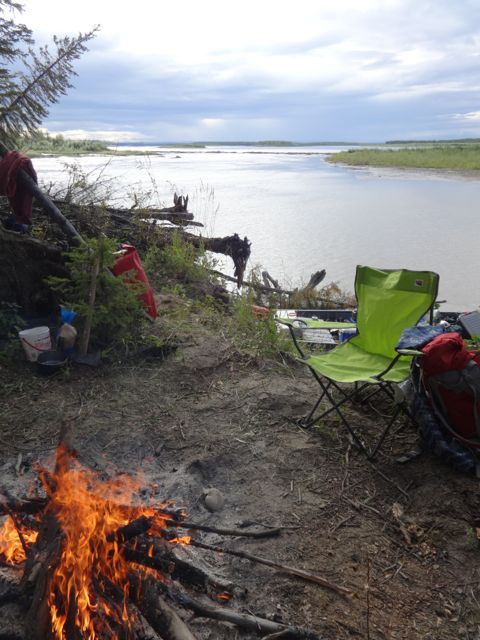
Camp on a high bank just north of Circle

DSC05031

That log has ears

DSC05035

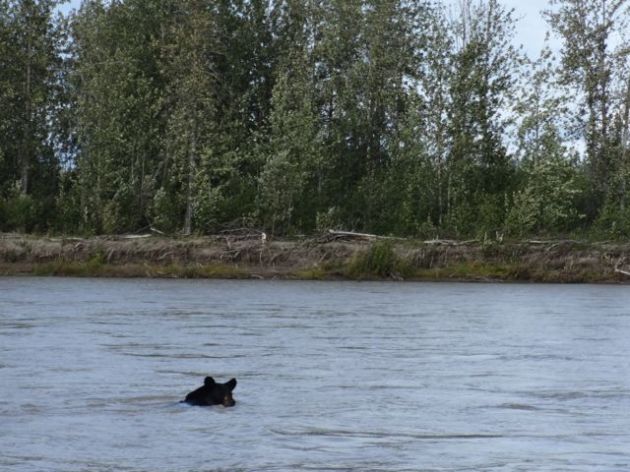
This was my first bear sighting in Alaska, and the gorgeous animal was swimming across the Yukon. Pretty amazing.

DSC05101

DSC05100

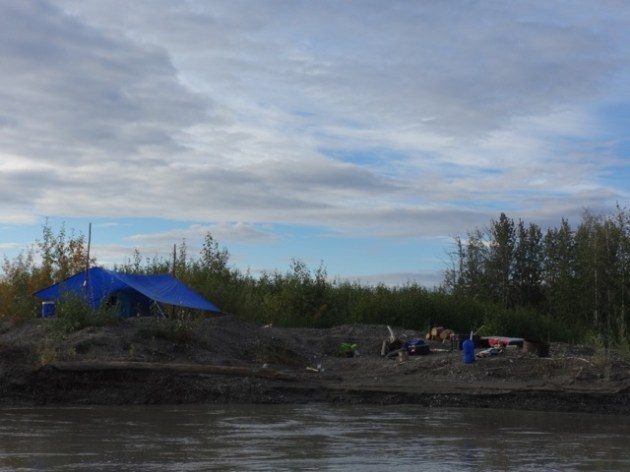
Island Camp. We were visited by a moose (he left only footprints while we were out) and a beaver, who slapped his tail and turned his nose up at us as he flew downriver. There was old bear scat in the dry slough, but we didn’t see any recent sign.

DSC05041DSC05097

DSC05051

Before inservice began, we explored miles up the Christian River.

DSC05059

I got Chainsaw 102 in this dreamscape of an old burn on the Christian River.

DSC05076

DSC05081

Firewood!

DSC05094

The confluence of Cutoff Slough (part of the Yukon) and Marten Creek. Look closely: Marten Creek is the color of black coffee. The Yukon is the color of chai. The Christian River is the color of black tea. The Chandalar is blue.

DSC05113

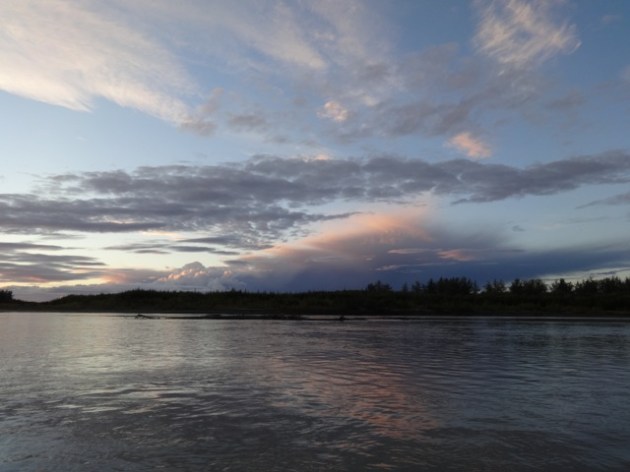
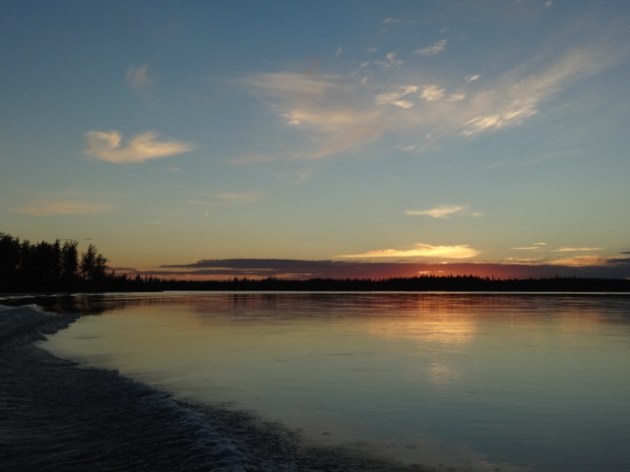
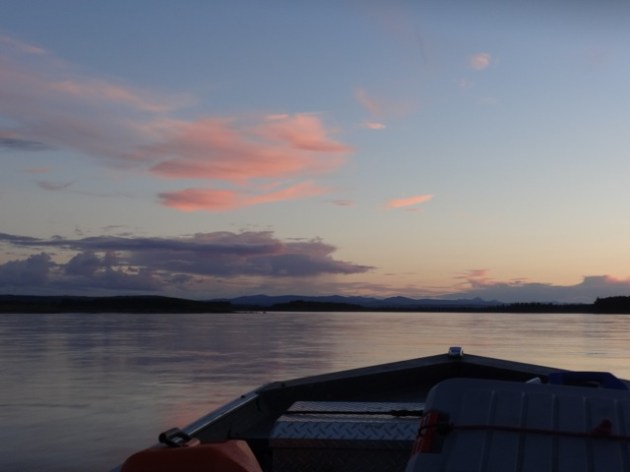
Yukon sunset, just north of Circle.

DSC05116