Flight 2

I didn’t think that I would ever know the end of your story, but I do, and I want to share it.

In the evening dusk, hours after your flight, I looked for you on the steps and in the trees around the driveway. I went to bed, and when I got up in the morning, you were nowhere in sight. I gave you up, and smiled at the thought of you. I imagined you in a green light, glittering like your bright eyes.

The truth is that, huddled flat-footed on the linoleum, you looked up at me with those bright eyes when I found you, even though your wing sagged and your feathers were bent. Perhaps the cat thought he was bringing you back to me, and that’s why he didn’t make your soft, featherweight body into a toy as he’s done with so many birds. I imagine he tried to be gentle, but your beak was broken and you had a deep gash in your breast.

I picked you up from the floor and you relaxed in my palms like you had done so many times before, and your eyes were bright circles. I cleaned and bandaged the wound, and looked for superglue to splint the beak. When you tried to eat with the cockeyed bill, it was comical. You chased seeds across the floor, slapping your feet with each clumsy, sturdy step. I thought surely you’d get better, like you’d done before. I thought of how your will to live astonished me: all that heart in such a little breast. All that desire from a creature that couldn’t have any idea what there was out there to desire.

When I came home tonight, you were collapsed and panting under the light, liquid oozing from your bill. You opened your eyes to look at me when I picked you up, and, as I watched, you blinked matte black eyes and dribbled a clear bubble and my palm was wet. You heaved and gurgled in the tiny world of my hands, a lost cause, and my cheeks were wet.

I asked Sean to put you down, and he did. I trust his hands to kill with compassion. I asked him to leave your body in a tree and he did. Little one, you’re a bigger meal for the woods than you would have been if I’d never picked you up. In the little world of my hands, I said goodbye to your eyes, glad that they had seen what was out there to desire, and goodbye to your wings, glad that they had known what it is to fly. It’s not enough, but it’s something.
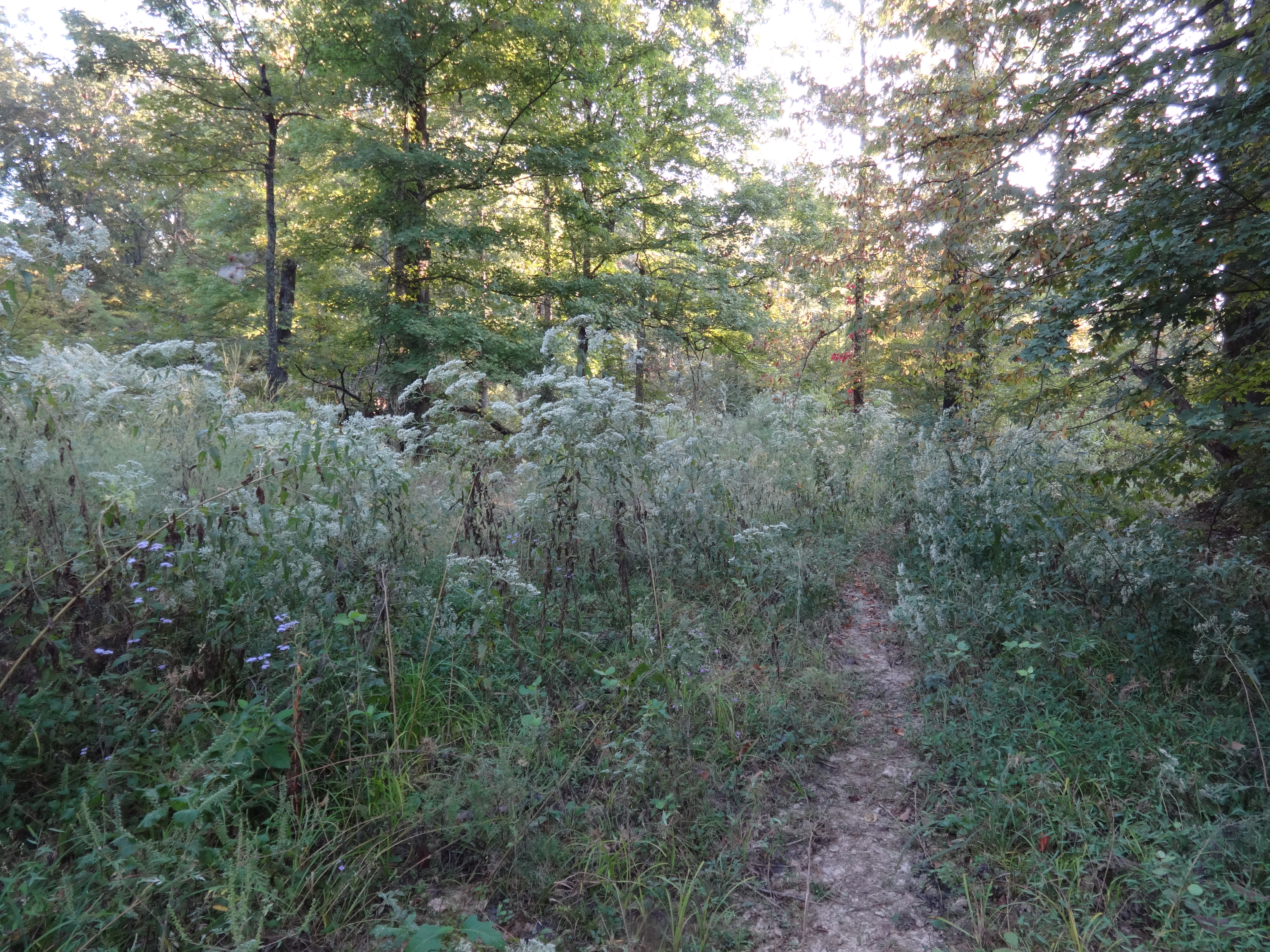
DSC00462

Ultimately, I am responsible for the life and death of the dove. I fed him when he would have died, and when he might have lived, my cat dragged him in. Keeping cats is a small hypocrisy that this event crystallizes: I know that domestic cats are responsible for diminishing songbird populations, yet I keep two indoor-outdoor cats and refuse to declaw or bell them. Coyotes prey on housecats in this area, and I want my pets to have all of their stealth and weaponry intact when they are outside. I let them go outside because I’m too lazy to clean a litterbox and I don’t want to confine a creature that doesn’t like to be confined. They are happy cats.

Stray and feral cats are a problem in our area, and we often find ourselves caring for unwanted kittens that have been dumped out here in the country. My cats are both neutered, but that’s unusual in this region. From now on, I commit to see to it that every kitten that passes through my care, however briefly, is neutered before it leaves me. It’s not enough, but it’s something.
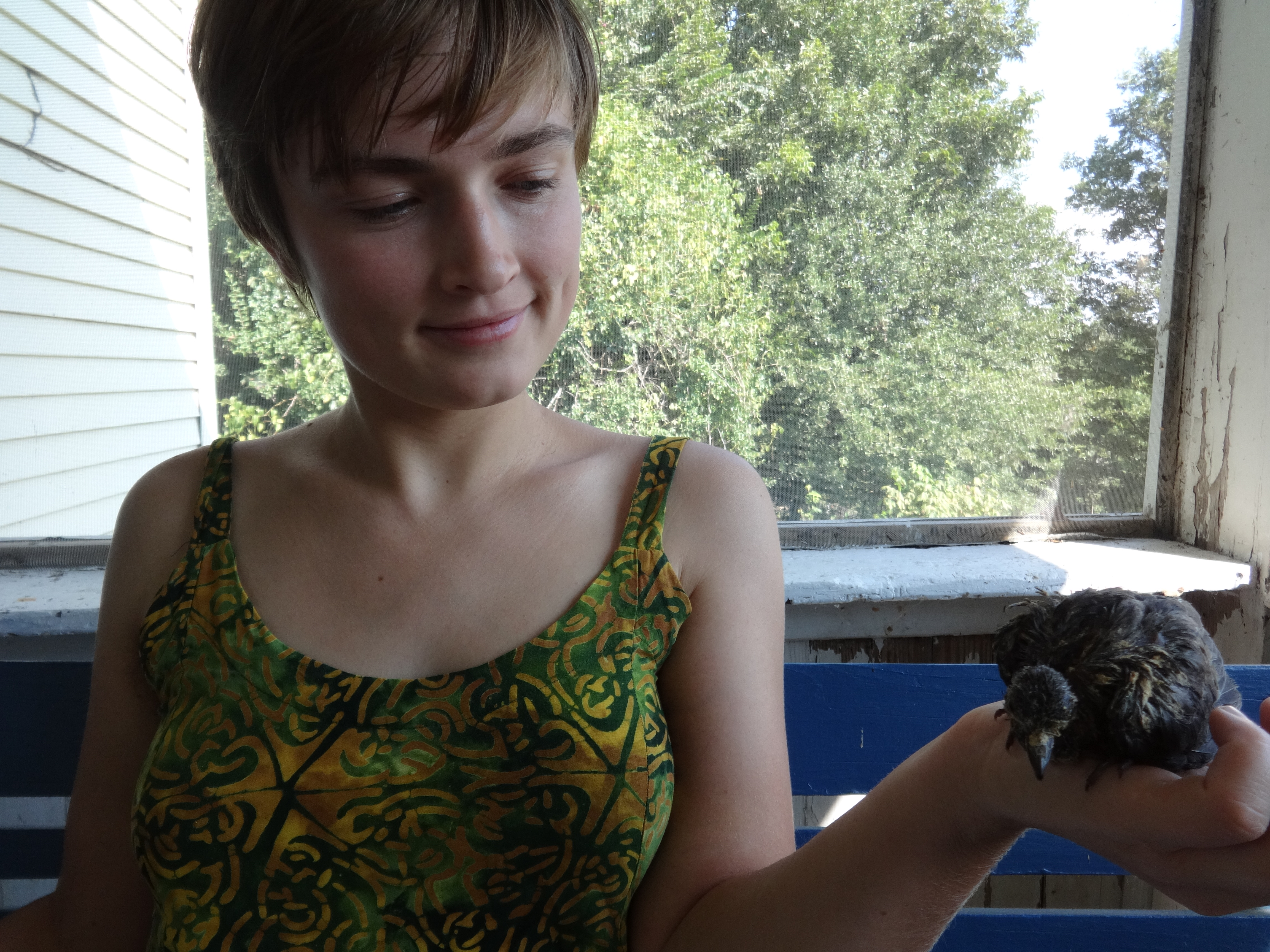
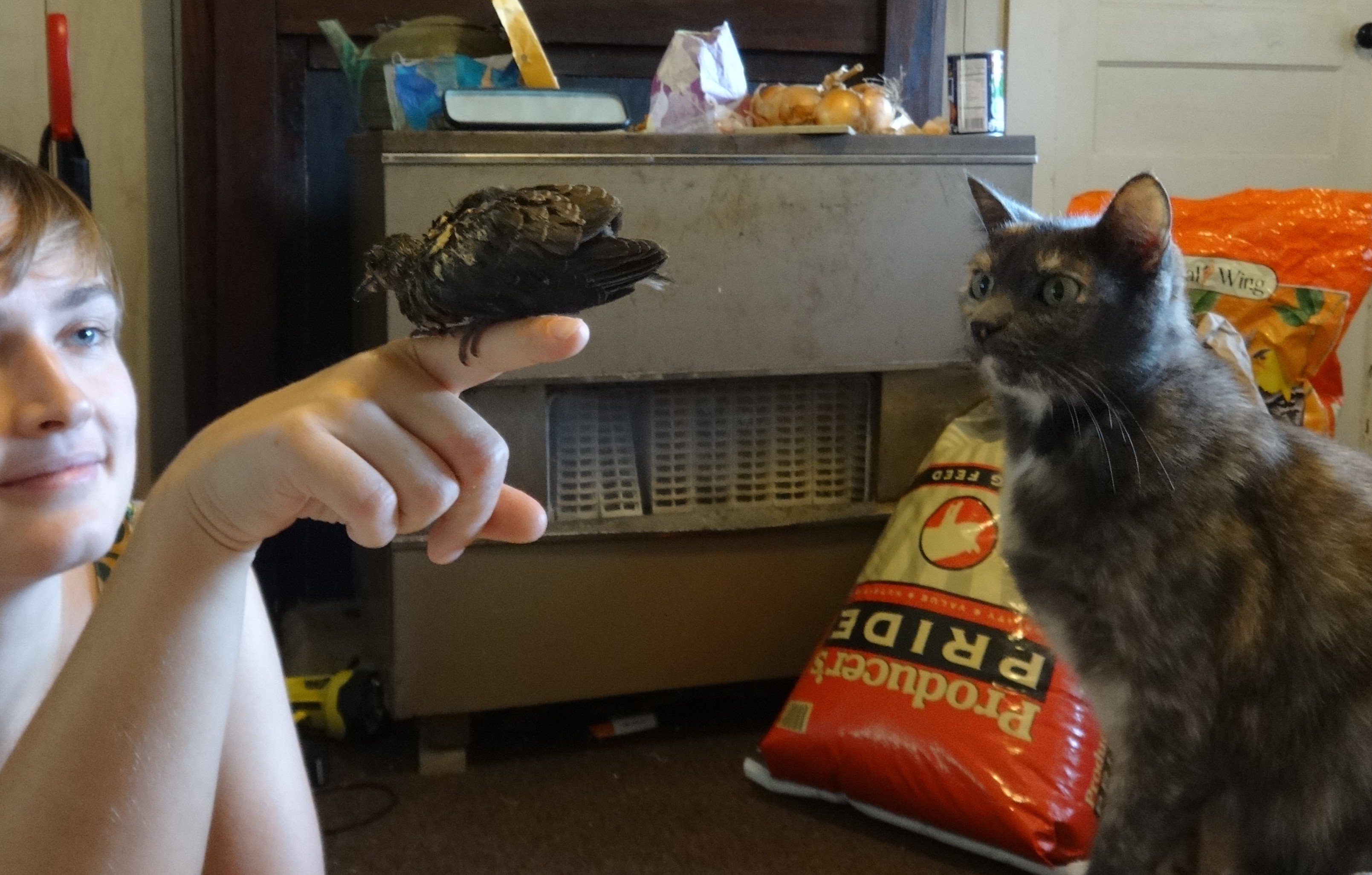
Flight

Three weeks ago, I started raising a baby dove that had fallen from a tree near our house. He had no feathers and no chance of survival. With a straw, dropper-style, I fed him soaked starter-grower for chicks every few hours. When he survived the first night, I was surprised. I’ve never had a baby bird live more than a few hours. For the first few days, he had to sit, flat-footed, in my palm. After a while, he could grip my finger. His feathers grew in, and soon he was making short, awkward flights across tabletops and then clumsily across rooms into walls or furniture.  I carried him to school with me every day for two weeks, and he sat in his box, chirping, under my desk.

DSC00372 DSC00369

Today, I carried him outside with me when I went to start a campfire. I set him on the ground next to the fire circle and he perked up, black eyes shining, and pecked at the ground a few times. I picked him up when he peeped, stroked his long, tapered wings, and set him on the ground again.

Without ceremony, he made his longest flight ever, wings beating in the air like a paper engine, low over the ground at first, then higher, then confident as he banked into the trees.

DSC00466

That was twenty minutes ago, and I wish I could see him now, those dark little eyes glittering, the soft, dove’s neck curving up from his breast in the hush and sparkle of the tree-lit woods. I know his chances for survival aren’t good, and perhaps it was unwise of me to bring him outside, but I swear I will never forget the morning sun on his wings and the sound they made, and then didn’t, as he got too far away for me to hear and became just another dove, flying low over a country road.

Sex Ed

“They should be paying you by the mile,” she said, as I flew by the office for the fifteenth time that hour. I had students in the library using the laminator, students in the copy room, students in the computer lab and students in my classroom. Supervision was impossible without superdupervision (which I don’t have). I had to settle for intermittent supervision and superduperspeed (which I can at least try to have).

The boys’ sex-ed class was meeting the library this week, and on one trip to the laminator, I overheard the following from the teacher:

If you know someone who’s having an abortion, you should talk to her. Ask her some of the questions we talked about. If she’s planning to have an abortion, that’s bad. She’ll regret it.

I almost hurled. I hate that I work for a school that allows these contractors to come in and pass off utter crap as information. I now wish that I had stopped and said something to them, even just “I absolutely disagree with the blanket statements that you just made. Reality is far more nuanced.” My kids deserve better, and I should have spoken up just to let them know that I’m comfortable with the topic and that they can come to me.

I’ve found kids reading flyers with the stunning title “Is Virginity What’s Missing in Your Life?” about how you can restore your virginity if you’ve lost it. There are five or six very unsettling things going on there.

At a bake sale this summer, two of my former students opened up to me a little about their sex-ed class. It’s abstinence only, and they don’t feel adequately informed. I asked them if they knew what “consensual sex” is, and  they said “is that when you have your parents’ permission?” We’re really missing the point here, folks, if kids are led to believe that abortion is always bad and that consensual sex is when you have your parents’ permission. I don’t know how much information those two (both were boys) had about birth control.

Some of Sean’s female students seem to have a lot of information about birth control (he overheard them comparing the pill, the patch, the ring etc.), but one of them explained that she doesn’t want to use birth control because she’s afraid she’ll get fat. Sean fields a number of fairly interesting inquiries about sex because he’s a science teacher. His badass feminist self handles them beautifully. A 7th grader once asked him if a baby could have more than one daddy. They were learning about reproduction in class, so the kid drew a picture to illustrate:

two daddies

My students don’t ask me those questions outright. Occasionally, in a quiet moment in the afternoon, they’ll ask me personal questions that relate to sex. It’s not hard to tell the difference between idle curiosity and a desperate need to know something.

The pregnancies that I’ve been closest to as an adult have been teen pregnancies: Girls growing bellies that no longer fit in the chair-desks in my classroom, standing by a bank of lockers holding their wondering friends’ hands flat against their tight-stretched shirts to feel the baby kick, and missing day after day of school for doctor’s appointments. A young mother that I teach bribed me with a cupcake to let the class share her birthday snacks a few weeks ago. She was turning sixteen. Another, a promising math student, dropped out of the tenth grade last year. It’s the same way for Sean. I remember him standing in front of a shelf at the pharmacy, reading labels and selecting prenatal vitamins for a middle schooler.

If I haven’t said something controversial yet, here it is:

Despite the misinformation and lack of information provided at school, I think some girls get pregnant not out of absolute ignorance (this is the age of the internet, and I know they know the basics of where babies come from), but out of emptiness. Accidents happen, but I think that girls are taking greater risks than they do elsewhere (Arkansas has the country’s highest teen birth rate) because they want to feel needed. They want to be of value to someone. It’s a pretty dismal outlook for girls here. They’re second-rate citizens, and they know it. A baby fills the void that should be filled with aspirations and plans and confidence and self-efficacy, all of which have been forced down or stunted by the time girls reach high school. Additionally, when a girl gets pregnant, there’s no great stigma. The hard conversations are for her family: at school, we try to be supportive and loving and excited about the baby. Besides, many of our students’ parents had children in high school. One girl told me that her mother was married at fourteen. Sean teaches a sophomore whose mother is only a few years older than Sean himself.

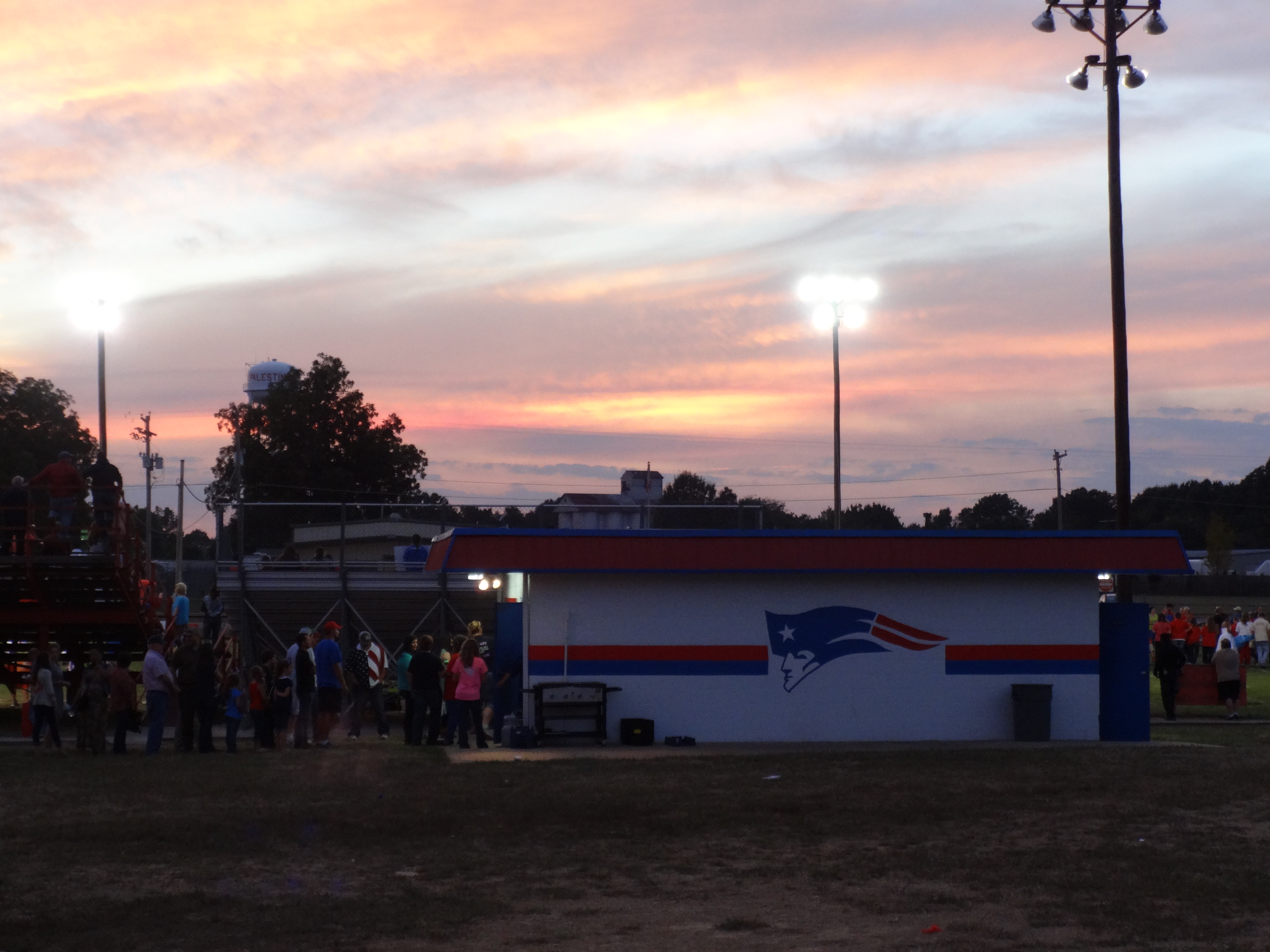
At homecoming last night, I watched for the boyfriends of the girls in the homecoming court. They followed the girls like devoted puppies, almost sad-eyed. They wouldn’t let the girls swish out of sight in those bright, flowing dresses.

Homecoming

Homecoming

I intercepted a note at summer school, where I taught rising ninth graders, that contained the charmingly sexist phrase “I’m gonna put a baby in her.”
After school one day recently, a boy (now a junior) that I taught in ninth grade came to visit me.
“Ms. O’Connell, you know I’m gonna be a daddy?”
I glared at him, waiting. We’d had a conversation or two about the responsibilities of fatherhood last year.
“Okay. I was just kidding.”
“Good. You dink.”
“I’m gonna be a baby-daddy before I graduate, though.”
“You know I think you’re better than that. I think you’re father material. Don’t be a baby-daddy. Be a Daddy.”
On the flip side, one tenth grader expounded in my classroom during lunch (he had been debating the morality of abortion with a female student)
“If you’re not prepared to be a father, don’t have sex. I accept that risk, but I’d rather wait to have kids. That’s why I use a condom every time I have sex with my girlfriend.” The debate went on, but I stopped listening. I’d heard those two argue over that subject before.

What is there to say here? What conclusion can I draw? This is just one more spoke in the wheel that turns the world here. It’s connected to poverty and health care access and education and racism and environmental injustice and sexism, and you can’t repair one without stopping the wheel and fixing them all.

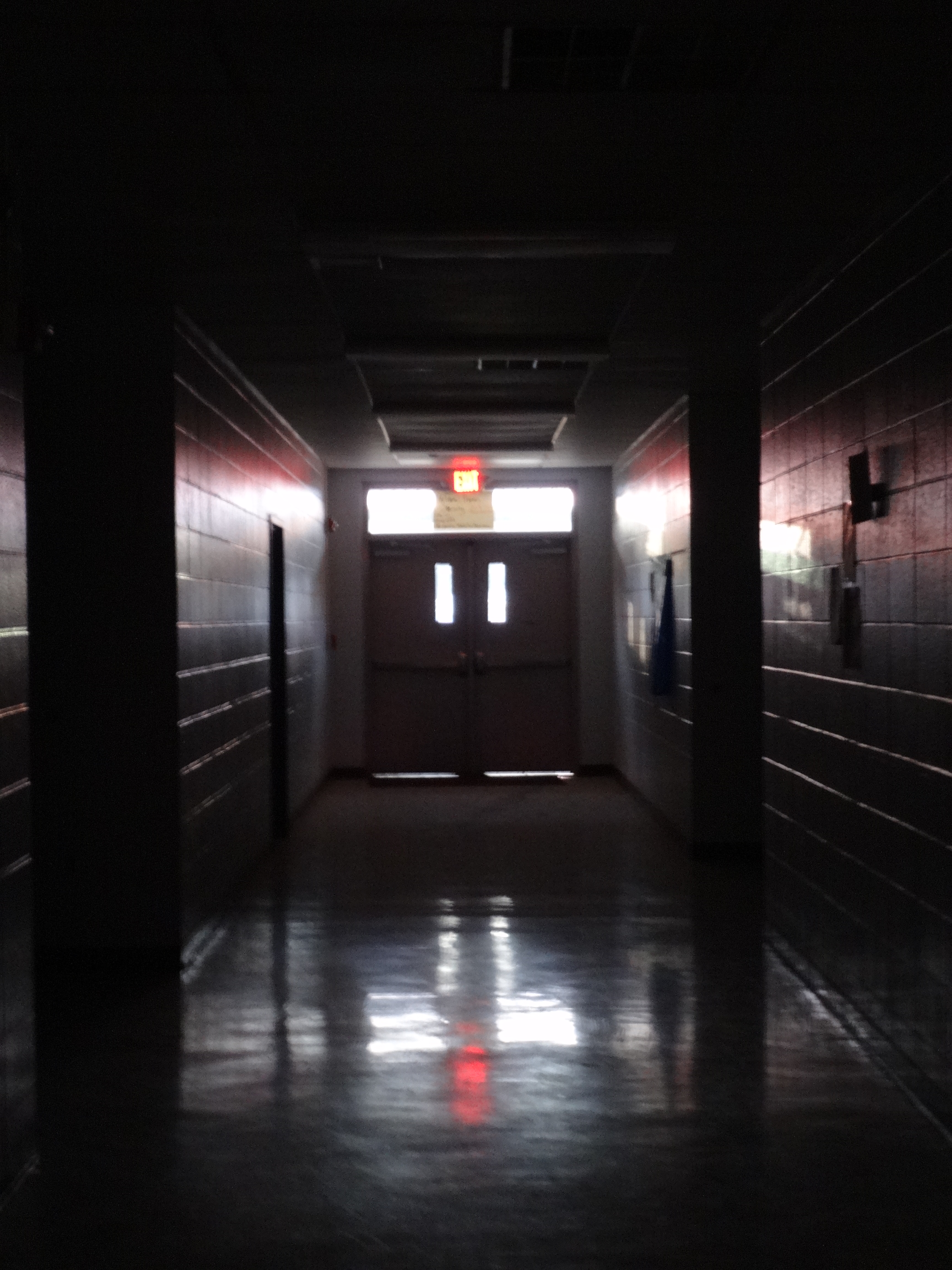
In the hallway of the schoolhouse at sunset

In the hallway of the schoolhouse at sunset


I’m not yelling!

It was sixth period. The noise level in my classroom slowly ratcheted up and stayed up. The leader of this particular, subtle coup sat with a smug little grin on his face and chatted with his friends while he tried (perhaps pretended to try) to do his work. I should have spoken to him sooner, but I was preoccupied by helping students who really needed help at the other end of the classroom. Have you ever noticed that they group kids with behavior issues and kids who need a lot of support together, to the effect that nobody in that period learns anything at all? by the time I reached the now loud and totally off-task child, I was frustrated and I jumped a rung on the consequence ladder. After an initial outburst before I reminded him of protocol, he kept his feelings to himself and stayed after class to talk about it, which is exactly what I want kids to do when they think I’m being unfair.

“Did you want to talk to me?”
“Yes I did. You treated me unfairly.”
“You were not following directions.”
“Neither was anyone else.”
“That’s because you’re a leader! You’re smart and respected! When you’re off-task, people think it’s okay to be off-task. Help me lead this class in a way that allows people to learn”
“Just because I’m a leader doesn’t mean you can treat me differently. I didn’t even get a warning!”
“I spoke to you several times, though.”
“What about [he named several students who had been talking]? They didn’t get detention.”
“I couldn’t hear them talking from the other end of the room. They didn’t start a shockwave of off-topic chatter”
“It’s not my fault I have a loud voice!” (he was yelling)
“Please don’t yell at me.”
“I’m not yelling!”
“You will be here for your detention on Monday” (I was yelling)
“Okay” (he stalked out with a look of total disgust)

By this time, my 7th period had come in. They were seated, silent and bug-eyed. My eyes welled up. “Get to work on the do-now, guys. I’ll be right back.” I stepped into the hallway and slumped against a bank of lockers with a clang, trying to keep myself from howling. Two kids stopped in the hall to ask what was wrong and to tell me they loved me. When I went back to my class, face all blotchy and puffy, a girl got up and hugged me tightly. I took some deep breaths and taught, but I felt sick with self-loathing, and every once in a while my eyes would spill over. That class was dismissed early for a pep rally, and I sat with the kids in the bleachers, trying to be inconspicuously devastated while the cheerleaders got fired up.

“We’ve got spirit, yes we do, we’ve got spirit how ’bout you?”
“…”

I spotted my young insurrectionist a few rows behind me, and when I felt I had some dry-eyed minutes, I nudged another ninth grader aside and sat down next to him.

“I’m sorry I yelled at you. I shouldn’t have done that.”
“Y’know, don’t worry about it Ms. O’Connell. I’m used to it.”
“That doesn’t make it okay. Besides, you were right; I should have given you a warning.”
“It’s okay. Just don’t worry about it.”
“I am worried about it. It’s important to me that I treat people fairly, and it’s important to me that you feel respected. I’ll do better on Monday, so be ready for those warnings. They’ll be coming down like rain. Forget about that detention.”
“Okay.”
“Have a good weekend”
“You too.”

I went back to my seat and, mercifully, the pep rally ended. The kids trickled out of the bleachers to their cars and buses and I sat alone at the top of the stands, letting the scorching sun dry me up. When it got too hot, I walked across the grass and unrolled a yoga mat on the floor of Vanessa’s classroom trailer, and she and the color guard said sweet things and soothed me. A student of mine found me there. He got down under the table next to me and asked if he could have his confiscated phone back.  I told him where it was, and his casual manner and good humor made me laugh. Soon I was vertical, and after a while I went back to my classroom, fed Buggy (the baby mourning dove that I’ve been looking after), visited with A (my second little brother from last year) and hopped in the car to go home.

I’d be lying if I said I didn’t muddy up the dusty dashboard with some tears on the road.

I can think of a hundred ways that I could have prevented or defused the situation with the loud young man, but I was exhausted, both physically and emotionally, and I didn’t have the presence of mind to stop digging myself a deeper hole. I think I did right by apologizing. I don’t feel sick when I think about it, and I’m not dreading seeing the kid tomorrow. I know he’s clever and I know he has a strong sense of right and wrong. If I treat him with dignity and respect, I think I’ll have a great ally, and I think he’ll learn more from me than he would if I just smashed him flat with my consequences every day until he behaved out of fear. I hope he won’t take my apology as a show of weakness. I think humility takes considerable strength, and I try to recognize that in people, but that’s a realization I came to well after ninth grade. We’ll see.

I love teaching, even on days when I don’t get to eat my lunch because I’m tutoring, or I’m on duty, or someone has challenged me to a Stratego show-down. I love it even on days when I can’t find time to pee so I have to hold it for half the day, and on days when I can’t be alone to bawl for a five minutes, so I spend two hours pushing down sobs. I love it on days when it feels like no one else is doing their job, and I love it on days when it feels impossible to do mine.  I have the chance, every single day, even (especially?) on the worst ones, to humanize and to empower and to be humanized and empowered in return.

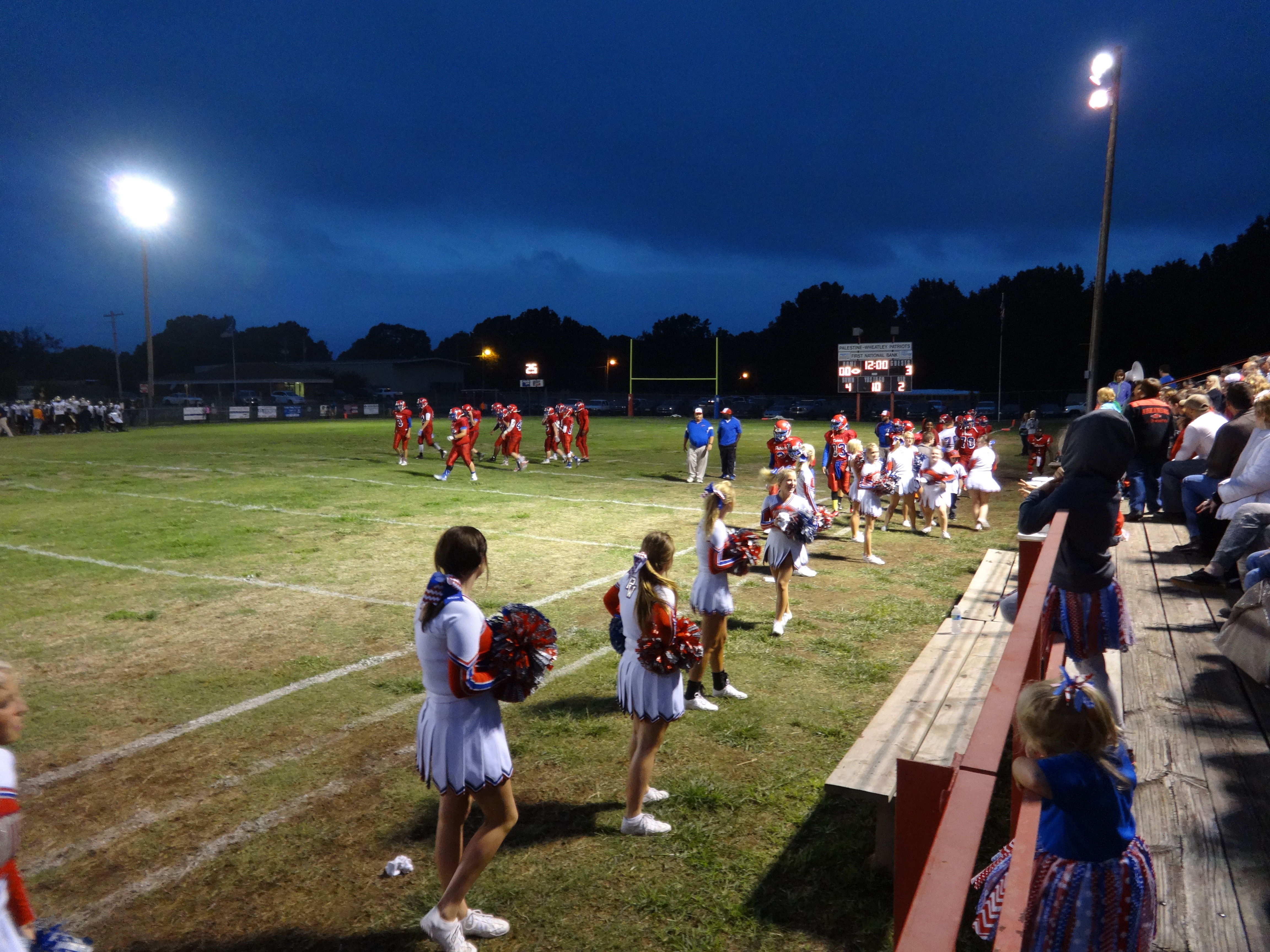
DSC00313

I have taught and loved every cheerleader and football player in this photo; the fellow with the sousaphone, too. Thanks for the hugs on Friday, guys. You don’t know what it means to me.

Advice From a Not-Quite-Rookie Butcher

There’s a nip in the air today, bizarrely. At the football games these past two evenings, we’ve been grateful for the picnic quilt that’s always somehow left in the back seat. The cool night air got me to thinking of friends in Maine who are planning to butcher their own hogs for the first time very soon. We have to wait for colder nights before we tackle Levi and Sizzle, but it’s a good time to start mentally preparing.

This is the list of things we need to find, clean, sharpen and jury rig before the big day:

  1. A variety of knives
  2. A butcher’s saw
  3. A fairly level location with running water and something to hang the carcass from
  4. An indoor (bug and possum free) space to hang the halves
  5. A barrel and plenty of dry firewood
  6. A (working, ahem) vacuum sealer and plenty of bags
  7. Clean containers to sort sausage scraps and lard chunks into
  8. Trays for freezing or chilling chunks of meat and lard before grinding
  9. Plenty of freezer space
  10. A comealong
  11. A shovel
  12. Several heavy duty (200 lb+) zipties for hanging the hog.
  13. The gun

These are the things I wish we had known mistakes we made when butchering our hogs last fall. With a little preparation, this year will go much more smoothly.

  1. We usually always (we’re four for four on this) underestimate how long boiling water to scald the pig will take, especially since we use a metal barrel on an open fire, and there are a lot of variables there. It’s a lot of water, and it’s important early in the process, so give it a couple of hours. We haven’t successfully scalded and scraped either of the large hogs we’ve butchered (I suspect we haven’t gotten the water hot enough), but we’re going to try again. Sean has some particular cuts he’s hoping to get for charcuterie projects which will require that the skin be left on.
  2. I’ve twice found myself standing beside a wheelbarrow full of viscera, beating back exhaustion while chipping away at the ground with a shovel after dark. Dig a hole for unwanted guts and, if you aren’t scraping, the skin, well in advance of butchery. It’s awful doing this after dark, when you’re exhausted from manhandling a carcass, knowing that if you don’t take care of it, the coyotes will, and they’ll create a really truly disgusting mess, then eat your chickens.
  3. We once moved a 250-pound, mud-and-blood-covered hog into the pickup and then up a steep grassy hill, though our truck’s 4wd is questionable at best. If the hog is sizeable, shoot and stick it as near as possible to where you plan to hang it for evisceration.
  4. It’s hard to get the little bits of bark that inevitably fall from the tree off of the flesh and fat, so try to avoid hanging the carcass from a tree.
  5. When you halve the carcass, make sure you get a straight cut down the spine from the beginning. It’ll be hard to correct, and a botched cut will damage the loin (oh the pork chops!).
  6. Consider wearing a poncho or raincoat that can be soaped and rinsed with the hose to carry the halves to your workspace. They’re very heavy and awkward (Pinkie’s halves took three strapping farmers to shift) and you have to kind of hug them to your chest. You’ll get covered in lard, and it doesn’t wash out of winter work coats very well.
  7. I washed ground-in bits of raw fat out of the carpet once, and I hope to never do it again. If you’re butchering in your home, tape off a designated meat-free walkway through the room, and wear shoes that are easy to kick off and on for when you need to go grab the forgotten tool or hit the head or look something up on youtube. You will totally grease the area that you’re using, so plan ahead and avoid tracking chunks of flesh all over the house. Keeping the raw meat contamination zone contained did wonders for my stress level the second time we butchered.
  8. We made the mistake of packing soft chunks of lard that we couldn’t process right away into grocery bags for freezing, and that resulted in twenty-pound lardbergs that had to be thawed and refrozen before grating. As you process each half, set aside the leaf lard for pastries and cooking and the caul fat (my friend says this is delicious wrapped around cubes of liver, seasoned with herbs, and grilled, though I can’t speak to this myself), and use the rest for soap. You can grind and render it immediately or freeze it, then grate and render it later. If you freeze it, freeze smallish chunks on trays and bag them afterward.
  9. Sausage (scraps and odd bits) should be ground cold. We ground it straight off the carcass, by which point it was approaching room temperature. Grinding it at room temperature causes the fat to separate and escape during cooking, making a less-tasty, denser sausage.
  10. Don’t freak out. Everything is washable.

No matter what, in the end, you will have some of the best meat you’ve ever eaten. The process is forgiving, and even those funny-shaped raggedy cuts with a little dirt on one side are delicious. Sprinkle some salt and pepper on some chops as soon as the last bit of the last pig is in the freezer and grill them up right away. It’ll put a smile on your face.